.png)
The Biggest Mistake Brisbane Homeowners Make After a Termite Inspection (And Why It Leads to Bigger Problems)
- Protector Carpet Cleaning and Pest Control

- Apr 8
- 4 min read
Termite inspections are a crucial step for Brisbane homeowners to protect their properties from costly damage. Yet, many make a critical error after the inspection that can turn a manageable termite issue into a full-blown crisis. Understanding this mistake and how to avoid it can save thousands of dollars and preserve the safety and value of your home.

Why Termite Inspections Are Only the Beginning
A termite inspection reveals whether your home has active termites or signs of past infestations. It provides a detailed report on the extent of termite damage and highlights vulnerable areas. However, the inspection itself does not solve the problem. It only identifies it.
Many homeowners believe that once the inspection is done, the issue is under control or that they can delay further action. This assumption is the biggest mistake. Ignoring or postponing termite management after an inspection allows termites to continue damaging the structure, often unnoticed until the problem worsens.
The Most Common Mistake: Delaying Termite Control After Inspection
After receiving a termite inspection report, Brisbane homeowners often:
Put off scheduling termite control treatments
Ignore recommended repairs or preventative measures
Assume the problem is minor and will resolve on its own
This delay can lead to several serious consequences:
1. Termite Damage Escalates Rapidly
Termites work quietly and continuously. Even a small colony can cause significant damage within months. Delaying termite control gives them free rein to weaken timber, flooring, and structural supports. What might start as minor damage can quickly compromise the safety of your home.
2. Increased Repair Costs
The longer termites remain untreated, the more extensive the damage becomes. Repairs that could have been simple and affordable turn into costly renovations. For example, replacing a few wooden beams can cost hundreds, but if the infestation spreads, it may require major structural work costing thousands.
3. Reduced Property Value
Homes with untreated termite damage lose market value. Potential buyers are wary of properties with termite issues, and banks may refuse loans without proper termite management. This can make selling your home difficult or force you to accept a lower price.
4. Health and Safety Risks
While termites do not directly harm humans, the damage they cause can create hazards. Weak floors or ceilings risk collapse, and damaged walls may expose electrical wiring or mold growth. These conditions threaten the safety of your family.
What Brisbane Homeowners Should Do After a Termite Inspection
Avoiding the biggest mistake means taking immediate and informed action after your termite inspection. Here are practical steps to follow:
Act on the Inspection Report Promptly
Review the termite inspection report carefully. Identify areas of active infestation and damage. If the report recommends termite control treatments or repairs, schedule them without delay.
Engage Professional Termite Control Services
DIY treatments rarely solve termite issues completely. Professional pest control experts use specialized products and techniques tailored to your home’s needs. They can:
Apply effective termite barriers and baiting systems
Treat affected areas thoroughly
Provide ongoing termite management plans
Repair and Replace Damaged Timber
Address any termite damage identified in the inspection. Replace weakened timber and fix structural issues to prevent further problems. Delaying repairs leaves your home vulnerable to collapse or worsening damage.
Implement Preventative Measures
Prevent termites from returning by:
Removing wood debris and mulch near your home’s foundation
Fixing leaks and moisture problems that attract termites
Ensuring proper ventilation in crawl spaces and subfloors
Schedule Regular Termite Inspections
Termite control is not a one-time event. Regular inspections, ideally every 12 months, help catch new infestations early. This ongoing vigilance protects your home long-term.
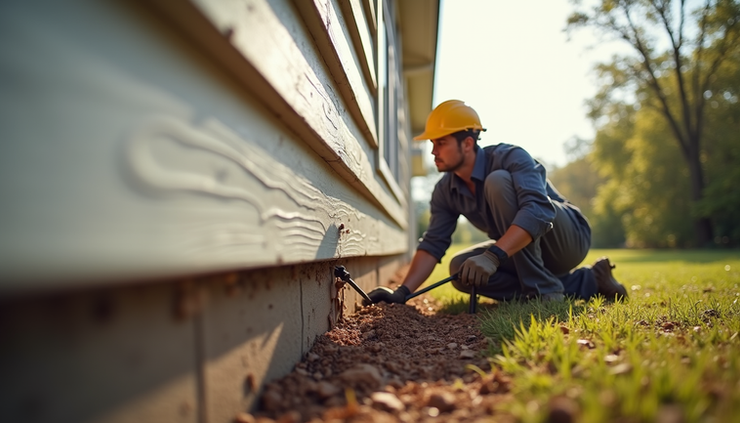
Real-Life Example: How Delay Led to Costly Repairs
A Brisbane homeowner had a termite inspection that revealed minor termite activity in the subfloor. The report recommended immediate termite control and timber repairs. The homeowner delayed action for six months, thinking the problem was small.
During that time, termites expanded their colony, causing severe damage to floor joists and wall frames. When the homeowner finally called pest control, the treatment was more complex and expensive. Repair costs soared to over $15,000, far above the initial estimate.
This example shows how ignoring termite management after inspection can lead to bigger problems and higher expenses.
How to Choose the Right Termite Control Provider in Brisbane
Selecting a reliable termite control company is key to effective termite management. Consider these factors:
Experience and reputation in termite control services
Use of safe and approved treatment methods
Clear communication and detailed inspection reports
Availability of ongoing monitoring and maintenance plans
Transparent pricing with no hidden fees
Asking for references and checking online reviews can help you find a trustworthy provider.
Final Thoughts on Avoiding Termite Problems in Brisbane Homes
Termite inspections are essential, but they are only the first step in protecting your home. The biggest mistake Brisbane homeowners make is delaying termite control and repairs after an inspection. This delay allows termites to cause more damage, increasing repair costs and risking your property’s safety.


Comments