.png)
What Are Termites? What Every Homeowner Should Know Before It’s Too Late
- Protector Carpet Cleaning and Pest Control

- Apr 23
- 3 min read
Termites are small insects that often go unnoticed until they cause significant damage. In South East Queensland, termites are a common concern for homeowners and property managers. Understanding what termites are, how they live, and why they pose a threat can help you protect your home and property effectively.

What termites are and why they matter
Termites are social insects that live in colonies. They feed on cellulose, the main component of wood and plant material. This makes timber structures, furniture, and even paper vulnerable to termite damage. In South East Queensland, the warm and humid climate creates ideal conditions for termite colonies to thrive year-round.
Termites are often mistaken for ants, but they have distinct differences. For example, termites have straight antennae and uniform waist widths, while ants have bent antennae and narrow waists. Recognizing these differences can help you identify a termite issue early.
Types of termites found in South East Queensland
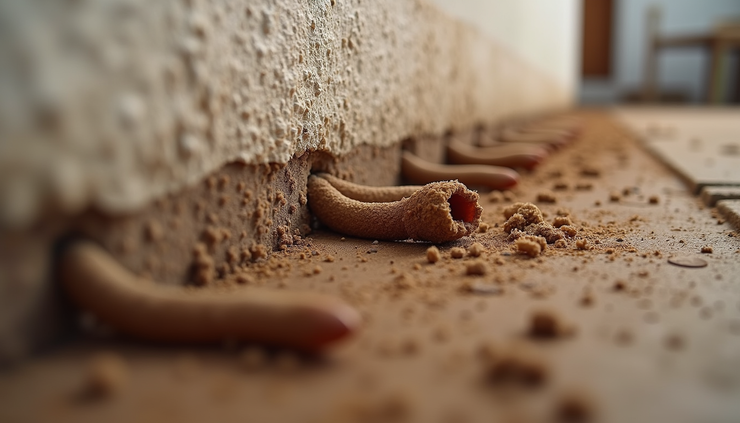
Several termite species are common in this region, but the most destructive ones belong to the subterranean termite group. These termites build their nests underground and create mud tubes to reach above-ground food sources without drying out.
Subterranean termites
Live in large colonies underground
Build mud tubes to travel between nest and food
Can cause severe damage to wooden structures
Often enter homes through cracks in foundations or walls
Drywood termites
Live inside dry wood without needing contact with soil
Usually found in timber furniture or structural wood
Less common but still a threat in some areas
Dampwood termites
Prefer moist wood, often found in decaying trees or damp timber
Less likely to infest homes but can damage outdoor wooden structures
Understanding the type of termite helps in choosing the right termite control method.
Signs of termite activity
Detecting termites early is crucial for effective termite management. Here are some common signs to watch for:
Mud tubes on walls, foundations, or wooden structures
Hollow-sounding wood when tapped
Discarded wings near windows or doors, especially after swarming season
Small piles of termite droppings (frass) near wooden items
Visible damage to timber, such as blistering or cracking paint
If you notice any of these signs, it’s wise to contact a pest control professional for an inspection.
How termite management works
Termite management involves a combination of prevention, monitoring, and treatment. In South East Queensland, pest control experts use several strategies to protect homes from termite damage.
Prevention
Remove wood debris and mulch close to the house
Fix leaks and reduce moisture around foundations
Use termite-resistant building materials during construction
Maintain proper ventilation in crawl spaces and subfloors
Monitoring
Regular termite inspections by licensed professionals
Installation of termite baiting systems around the property
Early detection helps reduce repair costs and damage
Treatment
Chemical barriers applied to soil around the home
Termite baiting systems that attract and eliminate colonies
Localized treatments for small infestations
Professional termite control ensures that treatments are safe, effective, and comply with local regulations.
Why termite control is essential in South East Queensland
The climate in South East Queensland supports termite activity throughout the year. Homes built with timber or containing wooden furniture are at constant risk. Without proper termite management, infestations can lead to costly repairs and structural damage.
Ignoring a termite issue can result in:
Weakening of structural timber, risking safety
Reduced property value
Expensive restoration and pest control bills
Taking action early with regular inspections and preventive measures can save money and protect your home’s integrity.
Tips for homeowners to reduce termite risk
Schedule annual termite inspections with a trusted pest control company
Keep gutters and downpipes clear to prevent water buildup
Store firewood and timber away from the house
Seal cracks and gaps in foundations and walls
Avoid planting trees or shrubs too close to the building
By following these steps, homeowners can lower the chances of a termite infestation.
Understanding what termites are - and how they behave - is the first step in protecting your home.
In Brisbane’s climate, termite risk is ongoing, not seasonal. Early detection and the right prevention strategy can make a significant difference over time.
If you’re unsure about your property or haven’t had a recent inspection, it’s worth addressing it early rather than reacting later.
For clear advice and practical next steps, contact Protector on 0411 424 818 or email admin@goprotector.com.au


Comments